Researchers from Virginia Tech have discovered that ultra-processed meats and beverages are the worst for brain health. Individuals who consumed one or more extra servings of either of these foods showed a significantly increased risk of developing cognitive impairments, including those associated with forms of dementia such as Alzheimer’s Disease.
A recent article from Children’s Health Defense shared new research ranking which junk foods are most harmful to the brain — and it’s not just about kids’ waistlines or sugar highs. It’s about how what we eat can shape how we think, learn, and even feel.
Let’s dig into what this new research is saying, and more importantly, what it means for our families.
How Junk Food Impacts the Brain
These studies found that foods loaded with refined sugar, unhealthy fats, and artificial ingredients don’t just harm the body — they change how the brain functions.
Think of it like this: the brain runs on clear signals, kind of like a radio station. When it’s getting clean fuel — whole foods, real nutrients — that signal is clear. But when it’s constantly fed ultra-processed foods, it’s like turning up the static. The brain starts to lose focus, memory gets fuzzy, and mood and motivation can shift.
Ultra-Processed Foods (UPFs) are now known to include obesity, type 2 diabetes, cardiovascular diseases, anxiety, depression, and an increase in all-cause mortality. In fact, according to a study published in Diabetes Care, a journal of the American Diabetes Association, up to 220,000 young Americans under age 20 are likely to have Type 2 diabetes by 2060 — a 673% increase from 2017 levels.
One of the studies found that people who ate a lot of processed meats, fried snacks, and sugary drinks had measurable changes in the areas of the brain that control memory and emotion. Another study showed that even short-term diets high in sugar and fat can rewire how the brain’s “reward center” works — making people crave those same foods even more.
A study of nearly 124,000 people found that drinking just one daily serving of artificially sweetened drinks increased the risk of a liver disease known as nonalcoholic fatty liver disease or metabolic dysfunction.
That means the more we eat these foods, the more our brains want them, creating a loop that’s hard to break.
Why Kids Are Especially Affected
Recent research has shed light on a startling concern—more than 300 chemicals have been detected in babies’ cord blood and placenta at birth. This discovery highlights the fact that exposure to harmful chemicals begins much earlier than we previously thought.
From conception through pregnancy, toxins can pass from the mother to the fetus, raising concerns about their potential long-term effects on child development and health.
Children’s brains are still developing, which makes them much more sensitive to these kinds of foods. When a growing brain is constantly exposed to sugary, processed foods, it can interfere with how nerve connections form.
Some of the research cited by Children’s Health Defense found that kids and teens who eat a lot of junk food have more trouble with memory and learning, and can experience more mood swings or attention issues.
Part of that is because junk foods crowd out the nutrients that developing brains need — like omega-3s, zinc, and iron. And part of it is chemical: those processed ingredients can actually change the way the brain’s reward systems respond, which makes healthy foods less appealing over time.
Hidden Toxins: How Food Packaging Can Leak Chemicals Into What We Eat
When we think about what’s in our food, we usually focus on the ingredients — but what about the container it comes in?
A new study from the University of North Carolina Chapel Hill Gillings School of Global Public Health shows us how food packaging and cookware is increasingly harmful to our health.
PFAS, phthalates, and bisphenols (like BPA and BPS) can migrate from food packaging into the food itself, especially when heat or oil are involved. These chemicals are often called “forever chemicals” because they don’t easily break down, and they can build up in our bodies over time.
PFAS, for example, are commonly used to make packaging grease-resistant — like the shiny linings in fast-food wrappers, pizza boxes, or microwave popcorn bags. When hot or fatty food sits inside those materials, some of the chemicals can leach into the food and end up being absorbed when we eat it. The same goes for plastic takeout containers, which can release phthalates or BPA when reheated, or even from contact alone if the food is warm.
Researchers have linked long-term exposure to these chemicals to hormone disruption, immune problems, and developmental issues — and in children, that can impact learning, attention, and overall health. Even though these chemicals are used in small amounts, the constant exposure adds up.
The Long-Term Consequences
The most concerning part of this research is that some of these changes in the brain might not fully reverse, even if eating habits improve later.
Animal studies have shown that when diets are high in processed, sugary foods during adolescence, the brain may not completely recover in adulthood. And in adults, high junk food intake has been linked to higher risks of cognitive decline and dementia.
So this isn’t just about short-term focus or behavior. It’s about protecting long-term brain health.
What We Can Do
The good news is, the brain is resilient — especially when we start making changes early.
Here are a few practical takeaways:
- Focus on real, whole foods. Meals with fresh fruits, vegetables, quality proteins, and healthy fats give the brain the nutrients it needs to thrive.
- Cut back on ultra-processed snacks and drinks. Reserve them for special occasions instead of daily habits.
- Help kids understand food marketing. So much of what’s advertised to children is engineered to make them crave more sugar and salt. Teaching awareness helps break that cycle.
- Support overall brain health. Sleep, hydration, movement, and positive connection all strengthen brain function, too.
How To Reduce Toxic Exposure From Food Packaging
- Avoid heating food in plastic containers. Transfer leftovers to glass or ceramic before reheating.
- Choose fresh or frozen foods instead of ones wrapped in layers of plastic or stored in cans with BPA linings.
- Ask for paper packaging when possible at restaurants.
- Bring your own glass or stainless-steel containers for takeout. Many places are happy to fill them if you ask.
- Skip the “grease-proof” wrappers when you can — the coating is often made with PFAS.
Even small changes can make a big difference over time. The less contact our food has with plastic and chemical coatings, the fewer unwanted “ingredients” we end up consuming — and it’s never too late to start improving how our brains are fueled.
Final Thoughts
What this new research tells us is clear: the food we eat doesn’t just feed our bodies — it literally feeds our brains.
So if we want our kids to think clearly, feel balanced, and reach their potential, the best place to start is right on their plate.
And remember, it’s not about perfection — it’s about awareness and making better choices, one meal at a time.
Please see other related episodes:
Good Fats vs. Bad Fats For Brain Health in Autism [Podcast Episode 106]
Diabetes Triggers and Prevention [Podcast Episode #158]
Healthy Carbs, Candida Control, and What You Can Do To Soothe Autism Symptoms [Podcast Episode #210]
Balancing Blood Sugar and Gut Health: Strategies for Autism [Podcast Episode #179]
What You Need to Know About Toxins During Pregnancy [Podcast Episode #204]
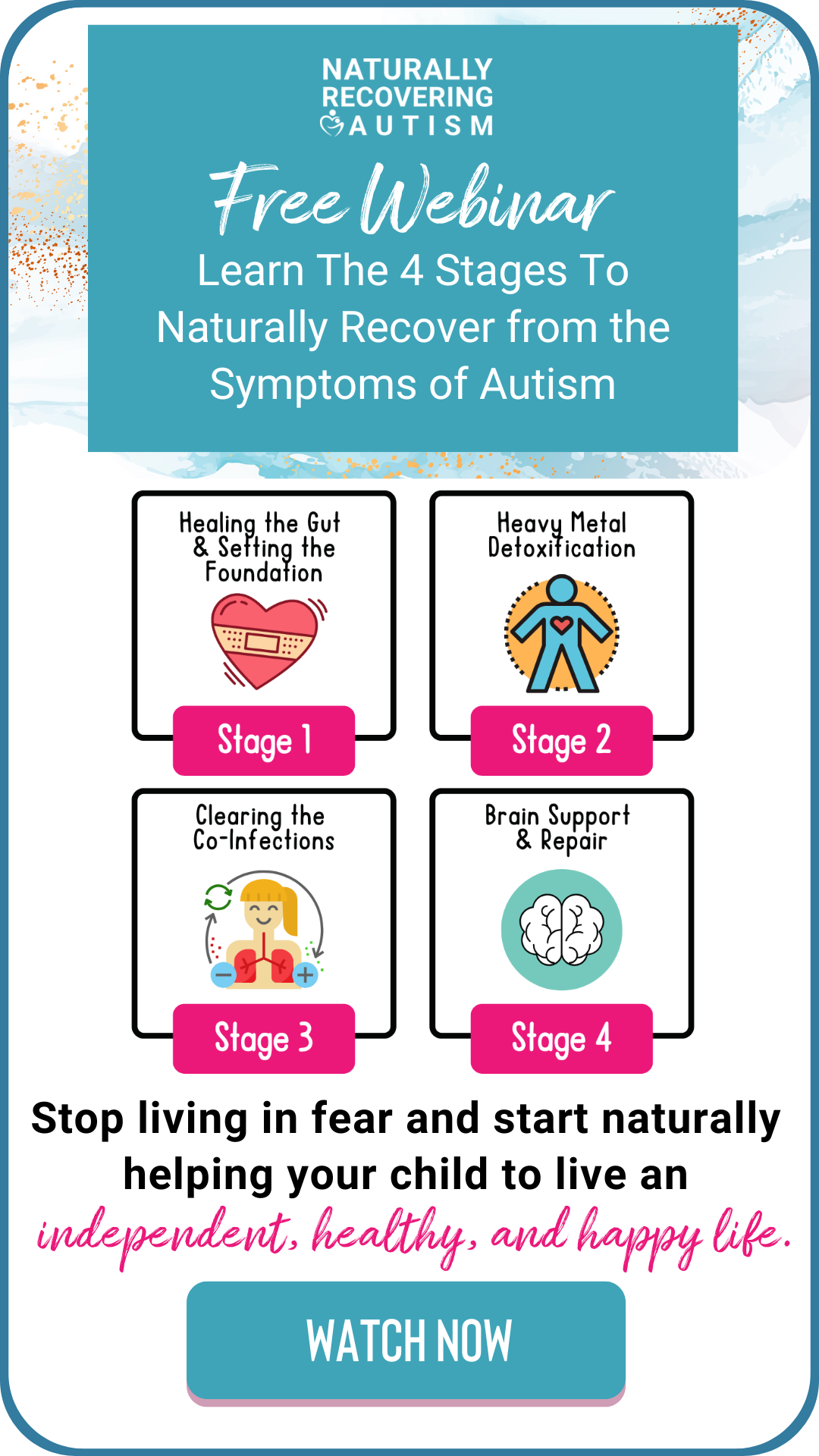
Learn my 4-Stage Process for Naturally Recovering from the Symptoms of Autism
What if you had a clear roadmap instead of constantly trying one thing after another?
After watching my own son transform from struggling with severe symptoms to living a healthy, independent life, I spent years researching, learning, and developing the approach I now teach to families around the world.
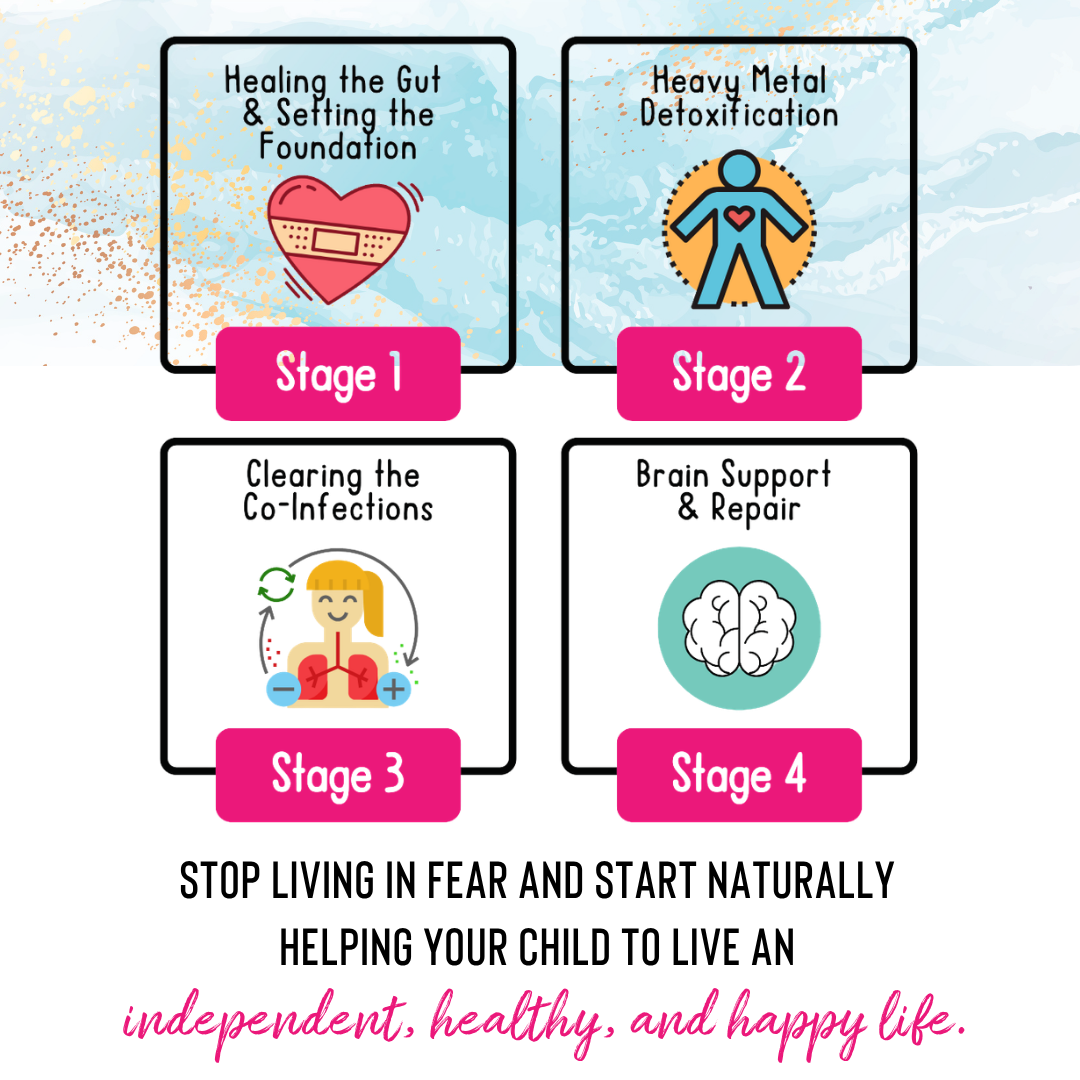
In my free online webinar, The 4 Stages to Naturally Recover from the Symptoms of Autism, I’ll walk you through the four stages I believe are essential to supporting your child’s health:
- Healing the Gut
- Natural Heavy Metal Detoxification
- Clearing Co-Infections
- Brain Support & Repair
I’ll share what I discovered through my own journey, why I believe the order matters, and how I approach the underlying health challenges that can affect children with autism.
Stop guessing and start understanding the roadmap I developed through years of research and personal experience.
I created this webinar to give you the information and roadmap I wish I had when I was trying to figure out how to help my own son.
This is for informational purposes only and is not meant to diagnose or treat. Every child’s level of recovery is different. No two people are the same. It is never implied that all children will have the same outcome. Results are all based on individual biology and the work that is done. This process takes time and various steps, effort and resources need to be weighed. Our programs are intended to help you become more knowledgeable and guide you to help bring your child a better quality of life, whatever that may be. We want to help by giving great content, direction and strategies that move you forward. Nothing on this page or any of our websites is a promise or guarantee of results or future outcomes. The results on this page and any of our websites are not typical or promised. In fact, there will be people who purchase this and other programs and never put the work into implementing the strategies taught and therefore will achieve little to no results. Our more detailed earnings disclaimer, privacy policy, and terms and conditions for this program and website can be accessed via the links below. We hold ourselves (and you) to a high standard of integrity. We are cheering you on every step of the way.