Pica in children with autism, touching on its link to PANS, nutritional deficiencies, emotional factors, and gut health.
Pica is a complex and often misunderstood condition that can be particularly concerning when observed in children with autism. It involves the persistent eating of non-food items such as dirt, paper, chalk, hair, or even small objects like coins or toys. While pica can occur in children of all backgrounds, it is significantly more common in individuals with autism spectrum disorder (ASD). Understanding the why behind this behavior is crucial for parents, caregivers, and professionals who want to provide appropriate support.
What Is Pica?
Pica is defined by the DSM-5 as the repeated ingestion of non-nutritive substances over a period of at least one month, and at an age where this behavior is developmentally inappropriate. In children with autism, pica can often persist beyond toddler years and may require clinical attention due to the risks involved, including choking, intestinal blockages, poisoning, and exposure to harmful bacteria.
Why Is Pica More Common in Children with Autism?
There are multiple factors that can contribute to pica behaviors in children with autism, including sensory processing differences, emotional regulation difficulties, nutritional deficiencies, and underlying medical conditions. Here are some key contributors:
1.
Nutritional and Mineral Deficiencies
One of the most common underlying causes of pica is a deficiency in essential nutrients and minerals. When the body lacks certain elements, it may instinctively seek out non-food items that contain trace amounts of what it’s missing. In children with autism, this is especially relevant due to dietary restrictions, picky eating, or poor absorption caused by gut health issues.
Common deficiencies linked to pica include:
- Iron – Low iron levels (anemia) have a strong correlation with pica. Increasing heem foods which are rich in iron are suggested. Thai is much better than supplementing with iron since iron supplements can aggravate virus activity. Food-based supplements are a much safer way to increase iron naturally.
- Zinc – Important for taste, smell, and immune function.
- Magnesium – Needed for neurological and muscular function.
- Calcium – Can influence cravings for chalk or dirt.
- Vitamin D and B12 – Deficiencies can affect mood, energy, and neurological health.
Children with autism may be more susceptible to these deficiencies due to selective eating, inflammation, or gut dysbiosis.
2.
Emotional and Sensory Reasons
Pica can also be a self-soothing or sensory-seeking behavior. Children with autism may have heightened or lowered sensory sensitivities and may find certain textures, smells, or even the act of chewing or swallowing non-food items calming or stimulating.
Other emotional and psychological factors that may drive pica include:
- Stress or anxiety – Non-food chewing may become a coping mechanism.
- Communication challenges – Inability to express discomfort or emotional needs might manifest as pica.
- Obsessive-compulsive tendencies – Some children may develop ritualistic eating of non-foods.
Providing alternative sensory activities and emotional regulation tools can help reduce the compulsion.
3.
Pica as a Symptom of PANS (Pediatric Acute-onset Neuropsychiatric Syndrome)
PANS is a neuroimmune condition characterized by the sudden onset of obsessive-compulsive symptoms, eating restrictions, tics, or emotional disturbances following infection or inflammation. Interestingly, pica has been observed in children experiencing flare-ups of PANS, particularly when inflammation in the brain affects areas related to impulse control and appetite.
In these cases, pica may appear suddenly and be accompanied by other neuropsychiatric symptoms. If this is suspected, seeking a qualified PANS/PANDAS specialist is critical, as treatment often involves addressing underlying infections and modulating the immune response.
4.
Kryptopyrroluria (KPU)
In KPU the symptoms are similar to PANS such as heightened OCD, and accelerated anxiety. To learn more about PANS and KPU I will link to my episode #90 in the show notes for you.
5. Gut Health and Parasites: The Hidden Hunger
The gut-brain connection plays a huge role in behavior and appetite. Poor gut health can contribute to nutrient deficiencies, inflammation, and even behavior like pica. Here’s how:
- Parasites and pathogenic bacteria – Organisms like Giardia, pinworms, or candida can consume nutrients before the body absorbs them, leading to chronic hunger and cravings.
- Leaky gut syndrome – A compromised intestinal barrier allows food particles and toxins to enter the bloodstream, triggering immune reactions and nutrient malabsorption.
- Dysbiosis – An imbalance in gut flora can affect digestion and brain chemistry (including serotonin and dopamine levels).
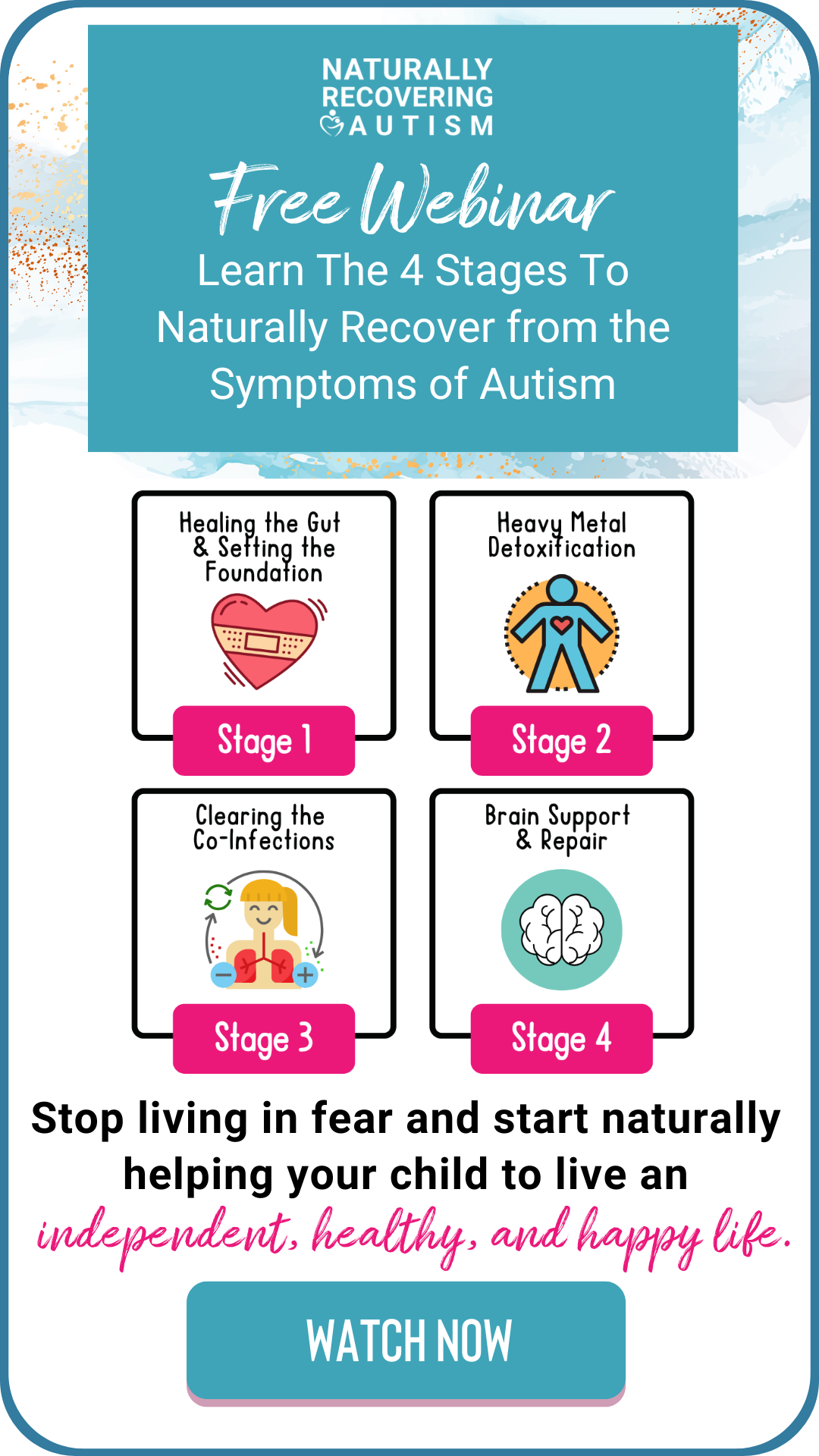
Work to restore the gut through diet, clearing pathogens and coinfections, as well as detoxifying. I can walk you through the best way to do this in my webinar at NaturallyRecoveringAutism.com/freeworkshop.
What Can Parents and Caregivers Do?
If your child with autism is engaging in pica, it’s important not to dismiss it as “just a phase.” Here are steps you can take:
- Rule out nutritional deficiencies with various testing options.
- Parasite testing is often inaccurate so know the common symptoms of parasites to look for such as:
- Chronic constipation
- Itchy skin
- Anger and ‘crazy-type’ behaviors
- Brain fog
- Chronic fatigue
- Sinus issues.
- Diarrhea
- Mouthing and nail biting
- Drooling
- Hair pulling
- Teeth grinding
- Look into PANS/PANDAS – If pica began suddenly or is accompanied by behavioral changes, ask about PANS.
- Work with an expert and have a tailored a plan to restore nutrients and gut balance. I can help you with this!
- Balance sensory processing disorders.
- Safety-proof your home – Until the root causes are addressed, reduce access to dangerous non-food items.
Pica in children with autism is more than a behavioral issue—it’s often a signal from the body that something deeper is out of balance. Whether it’s nutritional deficiencies, emotional distress, gut issues, or neurological inflammation, understanding the root causes can help you find a path to healing and safety for your child.
If your child is exhibiting signs of pica, seek support early. A holistic, multidisciplinary approach is often the most effective route to resolution.
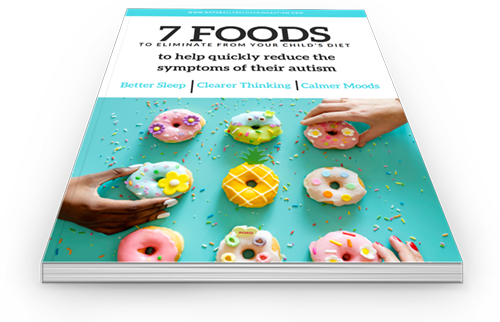
Get Your Free Food Guide!

Quickly Reduce Your Child’s Symptoms of Autism by Eliminating 7 Foods Most People Consume Daily!
The first crucial step of autism recovery is to begin restoring health to the gut and the immune system.
The health of the gut is directly linked to the health of the brain and therefore to the symptoms of autism. In fact, 80% of the immune system comes from the gut so if the gut is not healthy, then the brain can’t thrive, and the immune system is compromised. It’s a vicious cycle, but thankfully, it’s one that we can put an end to by first eliminating harmful foods.
- Harmful Foods: Identify the foods that worsen autism symptoms and understand the science behind their impact.
- Smart Food Choices: Learn about easy dietary swaps that can significantly enhance sleep, clarity of thought, and emotional well-being.
- Practical Implementation: Get valuable tips on how to implement these dietary changes easily and effectively.
This is for informational purposes only and is not meant to diagnose or treat. Every child’s level of recovery is different. No two people are the same. It is never implied that all children will have the same outcome. Results are all based on individual biology and the work that is done. This process takes time and various steps, effort and resources need to be weighed. Our programs are intended to help you become more knowledgeable and guide you to help bring your child a better quality of life, whatever that may be. We want to help by giving great content, direction and strategies that move you forward. Nothing on this page or any of our websites is a promise or guarantee of results or future outcomes. The results on this page and any of our websites are not typical or promised. In fact, there will be people who purchase this and other programs and never put the work into implementing the strategies taught and therefore will achieve little to no results. Our more detailed earnings disclaimer, privacy policy, and terms and conditions for this program and website can be accessed via the links below. We hold ourselves (and you) to a high standard of integrity. We are cheering you on every step of the way.