California Passes Law Allowing State to Set Its Own Vaccine Guidance
In a landmark move, California has passed a new law (AB 144, signed by Governor Gavin Newsom on September 17, 2025) that gives the state authority to establish its own vaccine schedules and related policies — rather than being bound by federal guidance from the Centers for Disease Control and Prevention (CDC).
Here’s a breakdown of what the law does, why it was enacted, and how it fits into a broader trend among U.S. states.
Key Provisions of the Law
Some of the main changes under AB 144:
- It establishes a baseline for vaccine coverage based on the Advisory Committee on Immunization Practices (ACIP) recommendations as of January 1, 2025.
- It authorizes the California Department of Public Health (CDPH) to modify or supplement those baseline recommendations, using guidance from independent medical organizations (like the American Academy of Pediatrics, the American College of Obstetricians and Gynecologists, etc.).
- It requires that state-regulated insurance plans (including Medi-Cal) cover vaccines that the state health department endorses under its guidance — meaning no copays for many Californians under those plans for state-recommended vaccines.
- It gives CA authority to act more independently of federal advisory bodies when those are perceived by state leadership to be compromised or less trustworthy.
Why This Law Was Enacted
Several reasons motivated the push for this law:
- Concerns over federal changes: The law reflects growing concern in California (and some other states) that recent shifts at the federal level — including reconstitution of advisory panels, changes in vaccine eligibility criteria, and what state officials view as politicization of public health — have undermined trust in the CDC’s recommendations.
- Desire for clearer access to vaccines: There have been reports of confusion and gaps in access, especially when federal guidance becomes more restrictive (for example narrowing eligibility, requiring doctor visits or prescriptions, etc.). By setting its own guidance and insisting on insurance coverage, the state aims to reduce barriers.
- Regional coordination: California has joined with other western states to issue unified vaccine recommendations and to form what is being called the West Coast Health Alliance. This alliance allows states to coordinate guidance (for COVID-19, influenza, RSV, etc.) so their populations have similar protections, even if federal guidance changes.
Which Other States Are Doing Similar Things
California isn’t alone. Like many states, it is stepping up due to concerns over federal vaccine policy shifts. Here are some of the states and alliances involved:
- West Coast Health Alliance: California, Oregon, Washington, and Hawaii have formed this coalition. They have jointly issued vaccine guidance for respiratory illness season including COVID-19, flu, and RSV.
- Northeast Public Health Collaborative: Several northeastern states have also moved in this direction, working to jointly issue their own vaccine and public health guidance. States involved include New York, Pennsylvania, New Jersey, Connecticut, Massachusetts, Maine, and Rhode Island.
- Massachusetts has likewise mandated that insurers cover vaccines recommended by its state Department of Public Health, regardless of whether federal authorities maintain or rescind those recommendations.
- Illinois: There are reports that Illinois’ governor has directed the state public health agency to develop vaccine guidelines that may diverge from federal guidance, including expanding the authority of pharmacists and authorizing vaccine administration based on state protocols.
Implications & Challenges
This shift has a number of potential implications:
- Public health autonomy: States gaining more control may allow speedier responses to emerging science or local epidemiological conditions.
- Insurance clarity: Requiring state-endorsed vaccines to be covered removes uncertainty for citizens, especially when federal guidance is in flux.
- Trust & credibility: When federal agencies are seen as politicized or capricious, state guidance from independent medical bodies may help restore public trust. But there’s also risk if different states diverge too much, making messaging confusing across state lines.
Legal and logistical complexities: Some insurance is regulated at the federal level; interstate coordination, supply chains, and provider practices may be challenged by divergent state vs federal rules.
Conclusion
California’s AB 144 marks a significant turning point in how states approach vaccine policy. No longer will the CDC’s guidance be automatically binding (so far as California law is concerned), especially when state health authorities find them misaligned with scientific consensus or local needs. As the West Coast states (and several in the Northeast and elsewhere) show, this may be a new normal: a patchwork of state-based vaccine guidance shaped in part by regional alliances and independent medical organizations, rather than a one-size-fits-all federal standard.
Additional podcasts and blog posts related to vaccinations:
How to Get a Vaccine Exemption for Your Child: A State By State Guide for Parents [Podcast Episode #226]
Podcast Interview with Dr. Sherri Tenpenny on Vaccinations [Podcast Episode #224]
Studies on Toxins Found in Vaccinations and Solutions Regarding Exemption and Injury
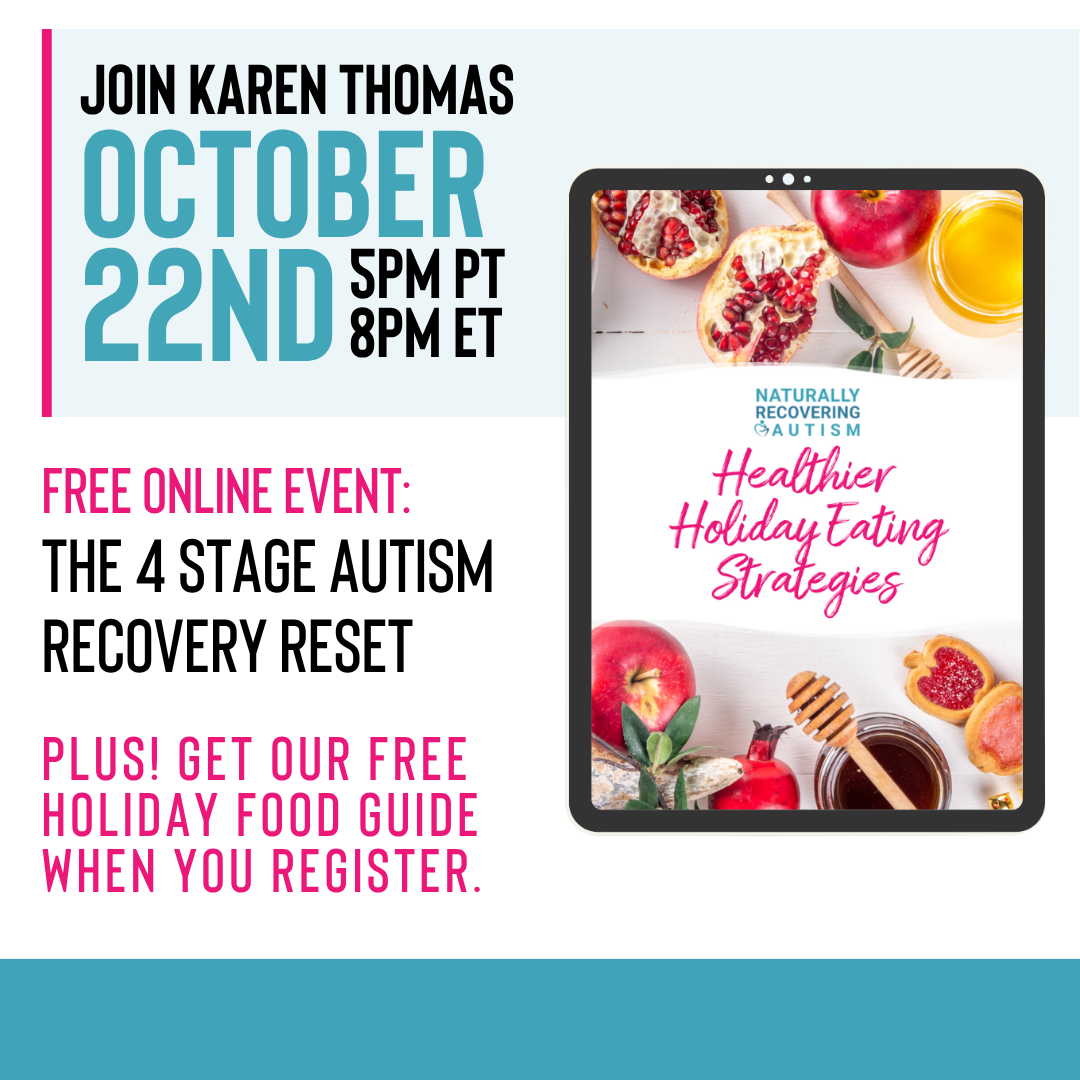
Free Online Event
The 4 Stage
Autism Recovery Reset
How You, as a Parent, Can Take Action Now
With an A-Z, Step-By-Step Roadmap!
1-HOUR LIVE EVENT + Q&A
THURSDAY, OCTOBER 22ND, AT 5PM PT | 8PM ET
If the time doesn't work for you, sign up anyway, and I'll send you the replay.
After watching my own son transform from struggling with severe symptoms to living a healthy, independent life, I spent years researching, learning, and developing the approach I now teach to families around the world.
In this free live online event, I will teach you what most doctors don’t even know is absolutely necessary to achieve your child’s optimal outcome to ensure their healthiest, happiest, and most fulfilling life.
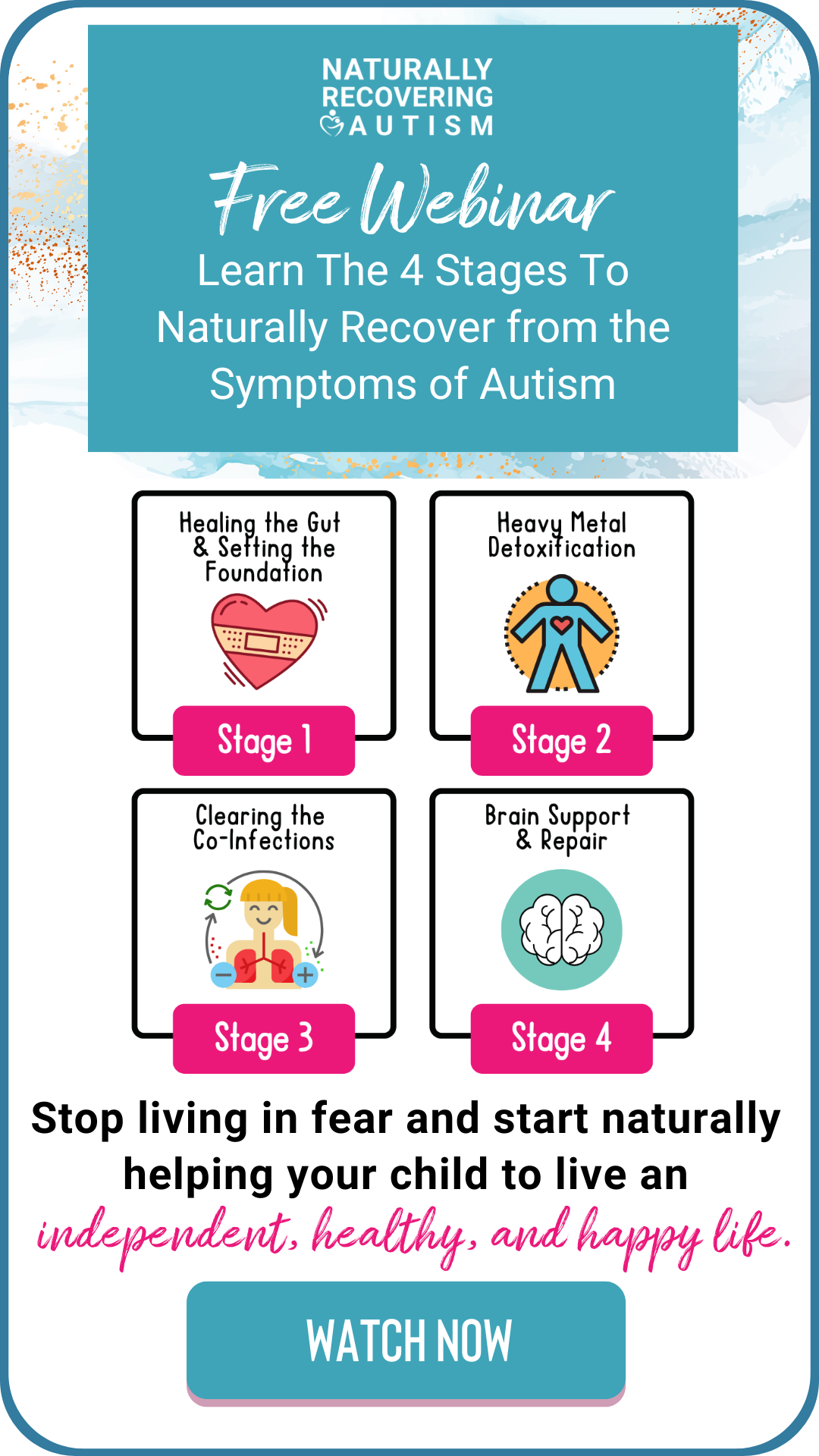
I’ll walk you through the four stages I believe are essential to supporting your child’s health:
- Healing the Gut
- Natural Heavy Metal Detoxification
- Clearing Co-Infections
- Brain Support & Repair
I’ll share what I discovered through my own journey, why I believe the order matters, and how I approach the underlying health challenges that can affect children with autism.
Stop guessing and start understanding the A-Z roadmap I developed through years of research and personal experience.
This is for informational purposes only and is not meant to diagnose or treat. Every child’s level of recovery is different. No two people are the same. It is never implied that all children will have the same outcome. Results are all based on individual biology and the work that is done. This process takes time and various steps, effort and resources need to be weighed. Our programs are intended to help you become more knowledgeable and guide you to help bring your child a better quality of life, whatever that may be. We want to help by giving great content, direction and strategies that move you forward. Nothing on this page or any of our websites is a promise or guarantee of results or future outcomes. The results on this page and any of our websites are not typical or promised. In fact, there will be people who purchase this and other programs and never put the work into implementing the strategies taught and therefore will achieve little to no results. Our more detailed earnings disclaimer, privacy policy, and terms and conditions for this program and website can be accessed via the links below. We hold ourselves (and you) to a high standard of integrity. We are cheering you on every step of the way.