The holidays are almost here, and along with the family gatherings, celebrations, and traditions comes something we all know very well—lots of food!
Holiday parties, school celebrations, and special treats seem to be everywhere this time of year.
But if you’re parenting a child with autism, the holidays can bring some additional challenges, especially when it comes to food.
Maybe you’ve worked hard to establish healthier eating habits at home, and suddenly your child is surrounded by foods they don’t normally eat.
Or perhaps your child has food sensitivities, digestive issues, or a very limited diet, and you’re concerned about how to navigate family gatherings without creating stress for everyone.
And sometimes, parents notice changes in their child’s sleep, digestion, mood, or behavior during the holidays and aren’t quite sure what’s causing them.
Today, I want to share some of the most important things to watch for when it comes to holiday foods, along with simple ways to help your child enjoy the celebrations while continuing to support their health.
Because the holidays should be about making memories, connecting with family, and enjoying time together—not feeling overwhelmed about every bite your child eats.
1. Watch for Hidden Gluten in Holiday Foods
One of the first things I encourage parents to pay attention to is gluten, particularly if their child has celiac disease, a wheat allergy, or another condition requiring dietary restrictions.
Gluten is a protein found in wheat, barley, and rye, and it can show up in many foods you might not expect. Read my post Gluten and the Brain to learn more specifics.
During the holidays, some of the common sources include:
- Traditional stuffing made with wheat bread
- Gravy thickened with wheat flour
- Dinner rolls and biscuits
- Pies, cakes, and cookies
- Some sauces, seasonings, and packaged foods
- Certain processed meats and prepared side dishes
Even foods that seem naturally gluten-free can become contaminated during preparation.
For example, a turkey may be gluten-free, but stuffing cooked inside it or gravy made with flour may introduce gluten.
If your child needs to avoid gluten, don’t be afraid to ask questions about ingredients and preparation methods.
And if you’re hosting, there are plenty of delicious gluten-free alternatives that the whole family can enjoy.
Careful planning can make holiday meals much easier.
2. Be Aware of Dairy and Other Food Allergens
Dairy is another ingredient that can appear in many holiday dishes.
Mashed potatoes, casseroles, desserts, creamy soups, and sauces often contain milk, butter, cream, or cheese.
If your child has a milk allergy or lactose intolerance, these foods may need special consideration.
And dairy isn’t the only allergen to watch for.
Holiday meals frequently contain eggs, wheat, soy, peanuts, tree nuts, and other common allergens.
A dish that looks perfectly safe may contain ingredients that aren’t immediately obvious.
If your child has a diagnosed food allergy, always verify ingredients and avoid cross-contact during preparation.
The good news is that many holiday recipes can be adapted with suitable substitutions.
For example, you can make mashed potatoes with olive oil and an appropriate dairy-free milk, or prepare a gluten-free stuffing using certified gluten-free bread.
Remember, we don’t want a lot of processed carbohydrates anyway, but if they’re on the table for the holidays there are healthier versions.
A little planning can make a big difference.
3. Pay Attention to Artificial Colors, Flavors, and Food Additives
Holiday foods are often brightly colored, heavily decorated, and filled with ingredients that may not be part of your child’s everyday diet.
Think about colorful cookies, frosting, candy canes, holiday candies, and packaged desserts.
Some of these products contain synthetic food dyes, artificial flavors, and preservatives.
Research suggests that certain artificial food colors may contribute to increased activity or attention-related symptoms in some susceptible children, although the evidence is not specific to autism and responses vary.
If you’ve noticed that your child seems more restless or has difficulty settling after eating certain foods, it may be helpful to keep a simple food and symptom journal.
Look for consistent patterns rather than assuming one ingredient is responsible.
And remember, the holidays can also involve excitement, noise, disrupted sleep, and changes in routine, which may influence how your child feels.
When possible, choose foods with simple ingredient lists and prepare some treats at home so you know what’s in them.
4. Be Mindful of Excess Sugar
During the holidays children can be exposed to more sweets in a few weeks than they normally eat in several months.
Cookies, pies, candy, sweetened drinks, and holiday desserts can quickly become part of everyday eating during this season. Watch for signs of hyperactivity, irritability, sleep disturbance, inability to focus, and more. These can be signs of food allergies and toxicity.
Occasional treats are perfectly reasonable, but frequent sugary snacks can crowd out more nutritious foods and contribute to dental problems and feed the bad bacteria in the gut causing further issues.
For children with limited food preferences, this can be especially important.
One strategy I like is offering a nourishing meal before going to a holiday gathering.
Include foods your child enjoys, along with protein, fiber, and healthy fats when possible.
That way, they aren’t arriving extremely hungry and relying on sweets to fill up.
You can also create healthier homemade alternatives using small amounts of fruit, applesauce, cinnamon, or other ingredients that work for your family. See my post on healthy keto cookies that are also sugar free.
The goal isn’t to eliminate all holiday treats.
It’s to create balance.
5. Watch for Digestive Changes
Digestive discomfort is something I always encourage parents to take seriously.
Many autistic children experience gastrointestinal concerns, including constipation, diarrhea, abdominal discomfort, or reflux.
During the holidays, changes in food choices, hydration, activity, and daily routines can make these issues more noticeable.
Your child may not always be able to tell you that their stomach hurts.
Instead, you might notice changes in appetite, sleep, facial expressions, activity, or behavior.
If your child suddenly seems more irritable or uncomfortable, consider whether there may be a physical reason.
Pay attention to bowel movements, hydration, and any changes in eating habits.
And if digestive symptoms are persistent, severe, or unusual, then these can be part of the underlying causes to outer symptoms we see.
Physical discomfort can sometimes look like a behavioral challenge, particularly when a child has difficulty communicating what they’re feeling.
6. Prepare for Sensory Challenges Around Holiday Meals
Sometimes the biggest challenge isn’t what’s in the food.
It’s everything happening around the meal.
Holiday gatherings may involve unfamiliar smells, noisy conversations, crowded rooms, different textures, and foods your child has never seen before.
For a child with sensory sensitivities, that can be overwhelming.
One of the most helpful things you can do is bring familiar foods your child already enjoys.
You don’t need to insist that your child eat everything on the holiday table.
Allow them to participate in ways that feel comfortable.
Maybe they want to sit with the family but eat their usual meal. Make that a healthy choice though.
Maybe they want to try one new food.
Or maybe they simply enjoy being part of the celebration without eating anything unfamiliar.
That’s okay.
The goal is to make holiday meals positive experiences rather than sources of anxiety.
7. Plan Ahead Instead of Trying to Manage Everything at the Last Minute
A little preparation can take so much stress out of the holidays.
If you’re attending a gathering, contact the host ahead of time to discuss any necessary dietary restrictions.
Offer to bring a dish your child enjoys.
If your child benefits from visual schedules or predictable routines, talk about the celebration beforehand.
You might explain where you’re going, who will be there, what foods may be served, and when you’ll be coming home.
And remember that you don’t have to make every holiday dish from scratch.
Choose a few simple recipes that work for your family and build from there.
Sometimes the easiest approach is the best one.
How Holiday Nutrition Fits Into the Bigger Picture
If you’ve followed my work, you know that I believe in looking at the whole child rather than focusing on individual symptoms in isolation.
Nutrition is an important part of that picture.
But it’s also important to consider sleep, digestive health, environmental factors, and any additional medical concerns that may be affecting your child’s well-being.
That’s why the first stage of my four-stage roadmap focuses on gut health and nutrition.
In my Naturally Recovering Autism Membership Program, I provide an A-to-Z educational roadmap designed to help parents understand these different areas and move through them step by step.
We also explore environmental exposures, additional health concerns, and ways to support brain health and development.
The program provides resources and ongoing guidance to help families make informed decisions alongside their child’s healthcare team.
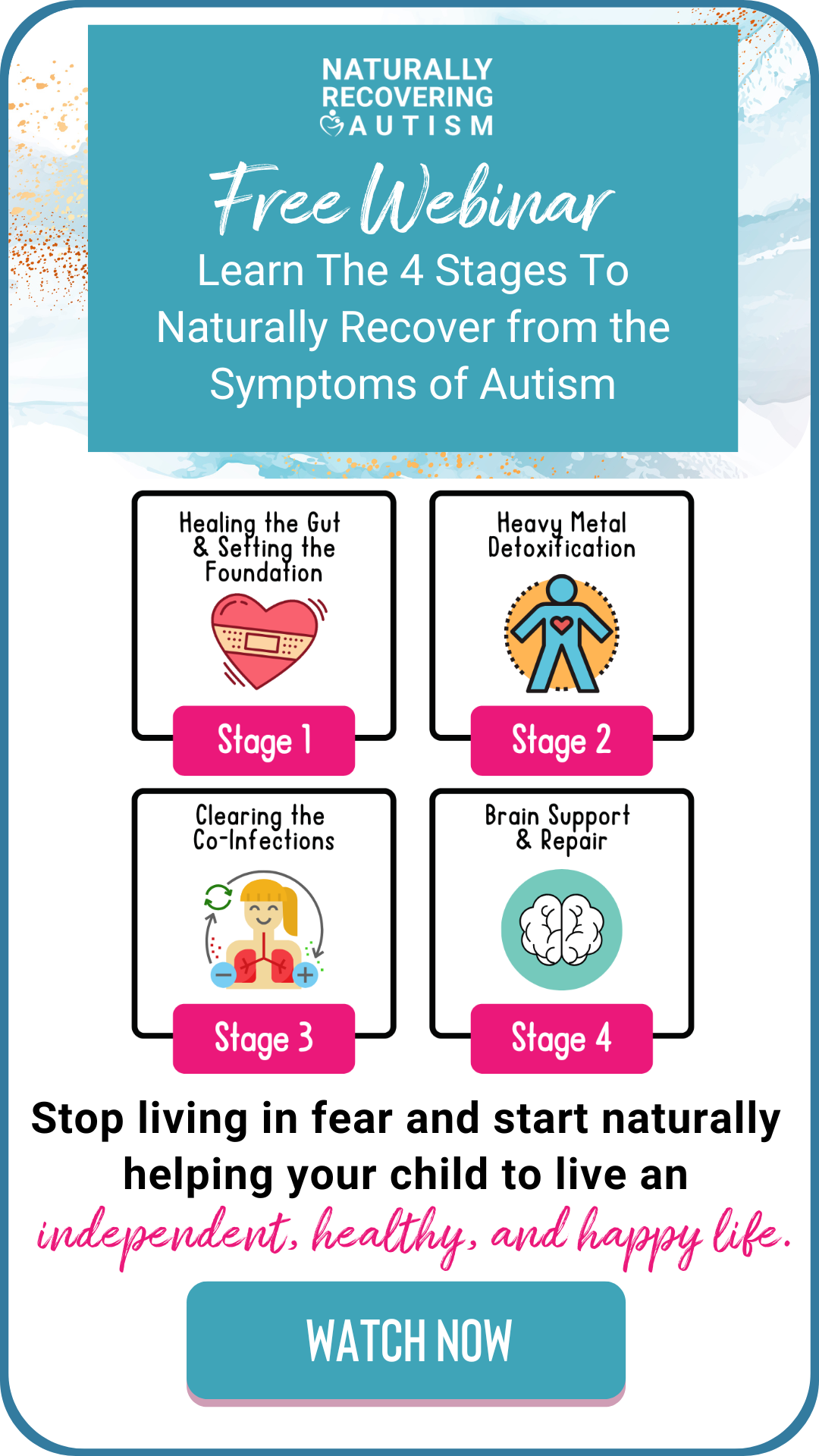
If you’d like to understand how these pieces fit together, I invite you to watch my free workshop where I walk through the four stages of my approach, and share how my program can help you if you’re in need of a direct path with support.
Enjoy the Holidays Without the Food Stress
One of the things I want parents to remember is that the holidays don’t have to be perfect.
Your child doesn’t need to eat every traditional holiday food.
You don’t need to prepare an elaborate meal with dozens of special recipes.
And you don’t need to feel guilty if everything doesn’t go exactly as planned.
Focus on what works for your child.
Keep familiar, nourishing foods available. Be mindful of genuine food allergies and sensitivities. Maintain healthy routines as much as possible, and allow your child to enjoy the celebration in their own way.
And if you’re looking for some delicious gluten-free alternatives to traditional holiday foods, that’s exactly what we’ll be talking about in our next episode.
I’ll be sharing some simple holiday recipes that can make your holiday meal easier while giving the whole family something delicious to enjoy.
Until then, remember that small, consistent steps can make a meaningful difference in supporting your child’s overall health and well-being.
Get Your Free Food Guide!

Quickly Reduce Your Child’s Symptoms of Autism by Eliminating 7 Foods Most People Consume Daily!
The first crucial step of autism recovery is to begin restoring health to the gut and the immune system.
The health of the gut is directly linked to the health of the brain and therefore to the symptoms of autism. In fact, 80% of the immune system comes from the gut so if the gut is not healthy, then the brain can’t thrive, and the immune system is compromised. It’s a vicious cycle, but thankfully, it’s one that we can put an end to by first eliminating harmful foods.
- Harmful Foods: Identify the foods that worsen autism symptoms and understand the science behind their impact.
- Smart Food Choices: Learn about easy dietary swaps that can significantly enhance sleep, clarity of thought, and emotional well-being.
- Practical Implementation: Get valuable tips on how to implement these dietary changes easily and effectively.
This is for informational purposes only and is not meant to diagnose or treat. Every child’s level of recovery is different. No two people are the same. It is never implied that all children will have the same outcome. Results are all based on individual biology and the work that is done. This process takes time and various steps, effort and resources need to be weighed. Our programs are intended to help you become more knowledgeable and guide you to help bring your child a better quality of life, whatever that may be. We want to help by giving great content, direction and strategies that move you forward. Nothing on this page or any of our websites is a promise or guarantee of results or future outcomes. The results on this page and any of our websites are not typical or promised. In fact, there will be people who purchase this and other programs and never put the work into implementing the strategies taught and therefore will achieve little to no results. Our more detailed earnings disclaimer, privacy policy, and terms and conditions for this program and website can be accessed via the links below. We hold ourselves (and you) to a high standard of integrity. We are cheering you on every step of the way.