As we move further into fall and begin heading toward the holiday season, many parents start noticing changes in their children’s health and behavior.
Maybe your child seems more tired than usual. Sleep patterns have changed. Digestive issues are becoming more noticeable. Or perhaps you’re seeing more irritability, difficulty focusing, or challenges with emotional regulation.
And now, with cooler weather approaching, children spending more time indoors, and the holidays just around the corner, there are even more changes to navigate.
If you’re parenting a child with autism, you may already know how challenging it can be when your child isn’t feeling their best, especially if they have difficulty communicating exactly what’s bothering them.
One area I encourage parents to pay attention to during this time of year is immune health.
Our immune systems are constantly working to protect us. And while there isn’t one supplement, food, or natural remedy that can prevent every illness, there are several simple ways to support your child’s overall health and normal immune function.
Today, I want to share seven important areas to focus on, along with how these fit into the bigger picture of supporting your child’s health.
And if you’re looking for a clear, step-by-step roadmap that helps you understand how these pieces fit together, I also want to invite you to learn about my Autism Recovery Reset, where I explain the four stages of my holistic approach.
You can find the details, along with information about my membership program and holiday nutrition resources right here in today’s show notes.
Now, let’s look at seven ways you can support your child’s health as we head into the fall and holiday season.
1. Start With Gut Health
If you’ve followed my work for any length of time, you know how much I emphasize the importance of gut health.
And there’s a good reason for that.
A large portion of the body’s immune activity takes place in and around the gastrointestinal tract. The gut contains an extensive network of immune cells that interact with the intestinal lining, the foods we eat, and the trillions of microorganisms that make up our gut microbiome.
This relationship between the gut and immune system is important for everyone, including children with autism.
Some autistic children experience gastrointestinal concerns such as constipation, abdominal discomfort, diarrhea, or food-related difficulties.
When a child is uncomfortable, it can affect their sleep, attention, mood, and behavior.
That’s why I encourage parents to pay attention to digestion.
Is your child having regular bowel movements? Are they experiencing bloating or discomfort? Are they eating a variety of foods that provide the nutrients their body needs?
Supporting gut health doesn’t have to mean making drastic changes overnight.
Start with the basics: adequate hydration, fiber-rich foods your child tolerates, and a balanced diet that meets their nutritional needs.
Remember, the gut and immune system are closely connected.
And this is why gut health and nutrition are the first stage of the four-stage roadmap I teach in my membership program.
I want parents to understand how digestion and nutrition can influence their child’s overall well-being, so they can make informed choices rather than constantly guessing what to try next.
2. Focus on Nutrient-Dense Foods
One of the most helpful things we can do for our children’s health is provide foods that supply the vitamins, minerals, protein, and healthy fats their bodies need.
Certain nutrients are especially important for normal immune function.
These include:
- Vitamin C: Found in strawberries, kiwi, bell peppers, broccoli, and citrus fruits.
- Vitamin D: Important for immune regulation and bone health. Sources include certain fish, and appropriate sunlight exposure.
- Zinc: Found in meat, poultry, beans, seeds, and other foods.
- Vitamin A: Found in carrots, sweet potatoes, leafy greens, eggs, and other foods.
- Protein: Supplies amino acids needed for growth, tissue maintenance, and the production of immune-system components.
Of course, I understand that many children with autism have food preferences or sensory sensitivities that can make introducing new foods challenging.
You don’t need to overwhelm your child with a completely new diet.
Start with foods they already enjoy, and gradually explore additional options.
If your child eats a very limited range of foods, then you can start with my free food guide that also gives you options for help with picky eaters to get some nutrition in now.
Supplements may be appropriate when a deficiency or specific need is identified, but more isn’t always better. Excessive amounts of certain vitamins and minerals can actually be harmful.
The important thing is to understand your child’s individual needs.
3. Pay Attention to Sugar and Highly Processed Foods
In our recent Halloween episode, we talked about how easy it is for children to consume more candy, sweets, and processed foods than usual.
And this is a good time to continue that conversation.
The holidays often bring an abundance of cookies, candy, sweetened beverages, packaged snacks, and other treats.
While an occasional treat can certainly fit into a healthy diet, regularly replacing nutritious meals with highly processed foods may leave children without enough of the nutrients they need.
This is especially important when a child already has a limited diet.
I also encourage parents to read ingredient labels and become familiar with what’s in the foods their children eat.
If your child has a diagnosed food allergy, celiac disease, or another medically identified dietary need, holiday gatherings can require additional planning.
One simple strategy is to offer a balanced meal or snack before attending a holiday gathering.
For example, you might provide:
- Apple slices with an appropriate nut butter
- A boiled egg
- A homemade gluten-free muffin with protein
- Vegetables with hummus, if tolerated
- A simple meal containing protein, vegetables, and a healthy fat
The goal isn’t to make children fearful of certain foods.
It’s to help them develop consistent eating habits that support their health throughout the year.
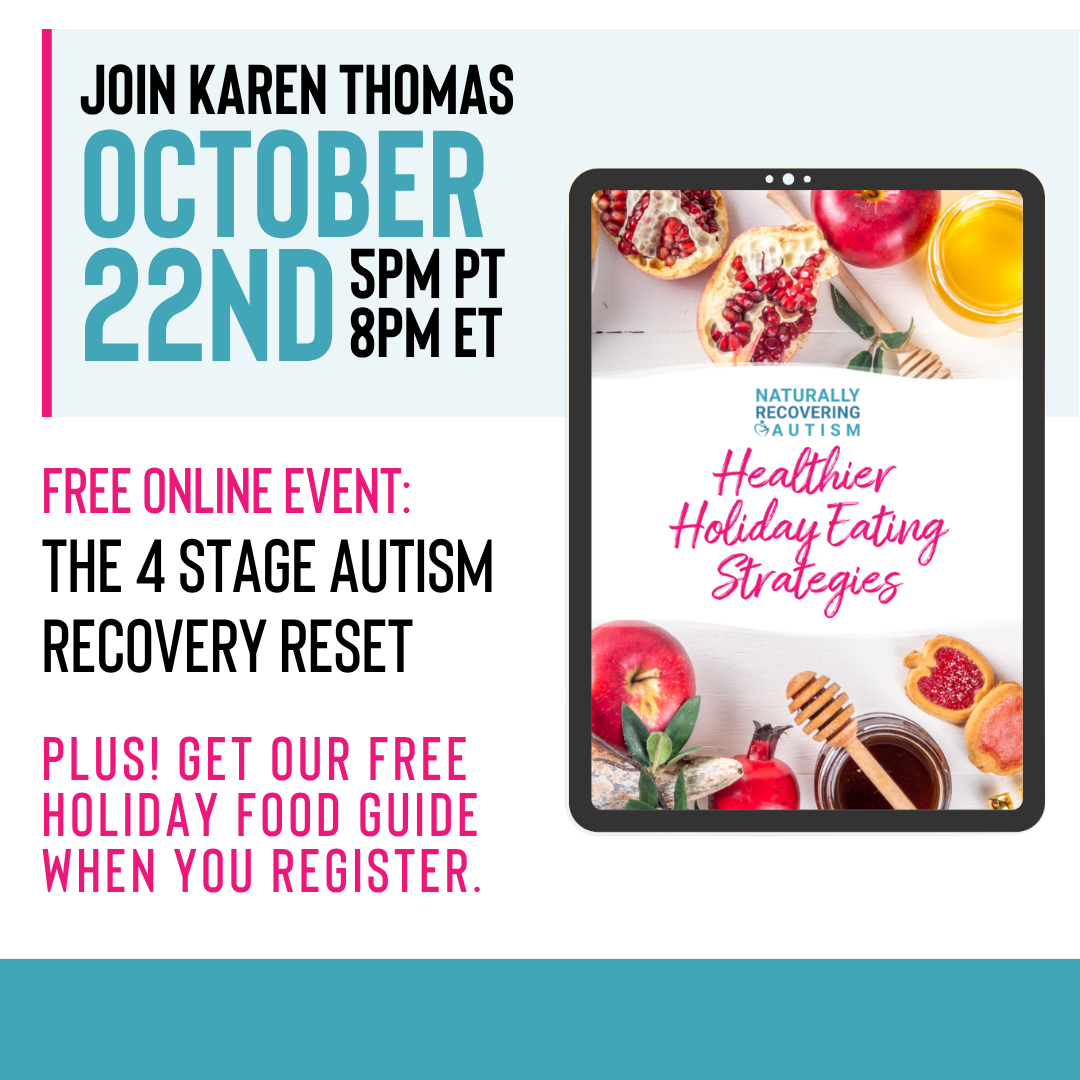
And because holiday foods can be particularly challenging for families managing dietary restrictions, I’ve put together a Healthier Holiday Eating Strategies guide. It’s free and included for you with registration to the autism recovery reset event.
4. Protect Your Child’s Sleep
Sleep is one of the most important foundations of immune health.
During sleep, the body carries out processes involved in immune regulation, growth, learning, and recovery.
Unfortunately, sleep challenges are common among children with autism.
Some children have difficulty falling asleep, while others wake frequently during the night or struggle to maintain a consistent sleep schedule.
And as we move into the holiday season, evening activities, family gatherings, travel, and changes in routine can make sleep even more challenging.
A few simple strategies may help:
- Maintain a consistent bedtime and wake-up time.
- Create a calming bedtime routine.
- Reduce bright screens before bed.
- Keep the bedroom comfortable, quiet, and dark.
- Allow time for your child to unwind after stimulating activities.
If your child has persistent sleep problems, then investigate. Sometimes issues such as constipation, reflux, allergies, histamines or sleep-disordered breathing may contribute.
Good sleep supports much more than immune function. It also supports attention, emotional regulation, and overall well-being.
5. Support Hydration Throughout the Day
Hydration is another simple area that parents sometimes overlook.
Water helps maintain normal body temperature, supports digestion, and allows the body to carry out essential functions.
Children who are busy, distracted, or sensitive to certain tastes and textures may not always drink enough.
And when the weather gets cooler, they may feel less thirsty than they do during summer.
Try offering water regularly throughout the day rather than waiting until your child asks for it.
Some children prefer a particular cup, straw, or water temperature. Those preferences can be useful tools for encouraging hydration.
Water-rich foods, such as cucumbers, and soups, can also contribute to fluid intake.
For most children, plain drinking water is an excellent choice. Electrolyte products are additionally helpful in proper hydration. Sometimes they do not like plain water so I’ve created a post and podcast for you on, Top 5 Tips To Help Your Chid Stay Hydrated and Enjoy Water, [Podcast #215].
6. Make Time for Movement and Outdoor Activities
As the days become shorter and the weather gets cooler, children may spend more time indoors.
But regular physical activity and outdoor play remain important.
Movement supports cardiovascular health, sleep, mood, physical development, and overall well-being.
For children with autism, movement can also provide opportunities for sensory regulation and enjoyable physical activity.
The important thing is to choose activities that fit your child’s interests and abilities.
Maybe that’s a walk around the neighborhood, riding a bicycle, playing at the park, dancing to favorite music, or spending time in the backyard.
It doesn’t need to be complicated.
And remember that outdoor time can provide a welcome break from busy indoor environments, particularly during the holiday season.
For some sensory fun games, please see my free resource for you at
At-Home Fun To Help Calm Sensory Needs [Podcast Episode 78]
7. Reduce Unnecessary Exposures and Practice Healthy Habits
Fall and winter often mean more time in classrooms, indoor activities, and crowded spaces.
Respiratory viruses can spread more easily when people are spending time together indoors, especially when ventilation is limited.
There are several practical ways to help protect your child’s health.
Encourage regular handwashing, particularly before eating and after returning home from school or public places.
Improve indoor ventilation when possible, use a TRUE Hepa filter, and keep your child home when they’re ill according to school and healthcare guidance.
Using adequate vitamin D3 daily assists in the best flu fighting and assists other neurological and immune system needs.
It’s also worth paying attention to the home environment.
Moisture problems and visible mold should be addressed promptly because damp indoor environments can contribute to respiratory symptoms.
You don’t need to make your home perfectly sterile. The goal is to create a clean, comfortable, well-maintained environment while helping your child develop healthy everyday habits.
How These Seven Areas Fit Into a Bigger Picture
Now, you might be thinking, “These are all helpful tips, but how do I know where to start? And how do I know what my child really needs?”
I understand that question because I’ve been there myself.
When I was searching for answers for my own son, I spent years researching and trying to understand the different factors that could be affecting his health and development.
And what I discovered was how overwhelming it can be for parents to have so much information available without a clear way to organize it.
That’s one of the reasons I created my Naturally Recovering Autism Membership Program (see the resource link at the bottom of this page).
I wanted parents to have the kind of step-by-step guidance I wish I’d had when I first started.
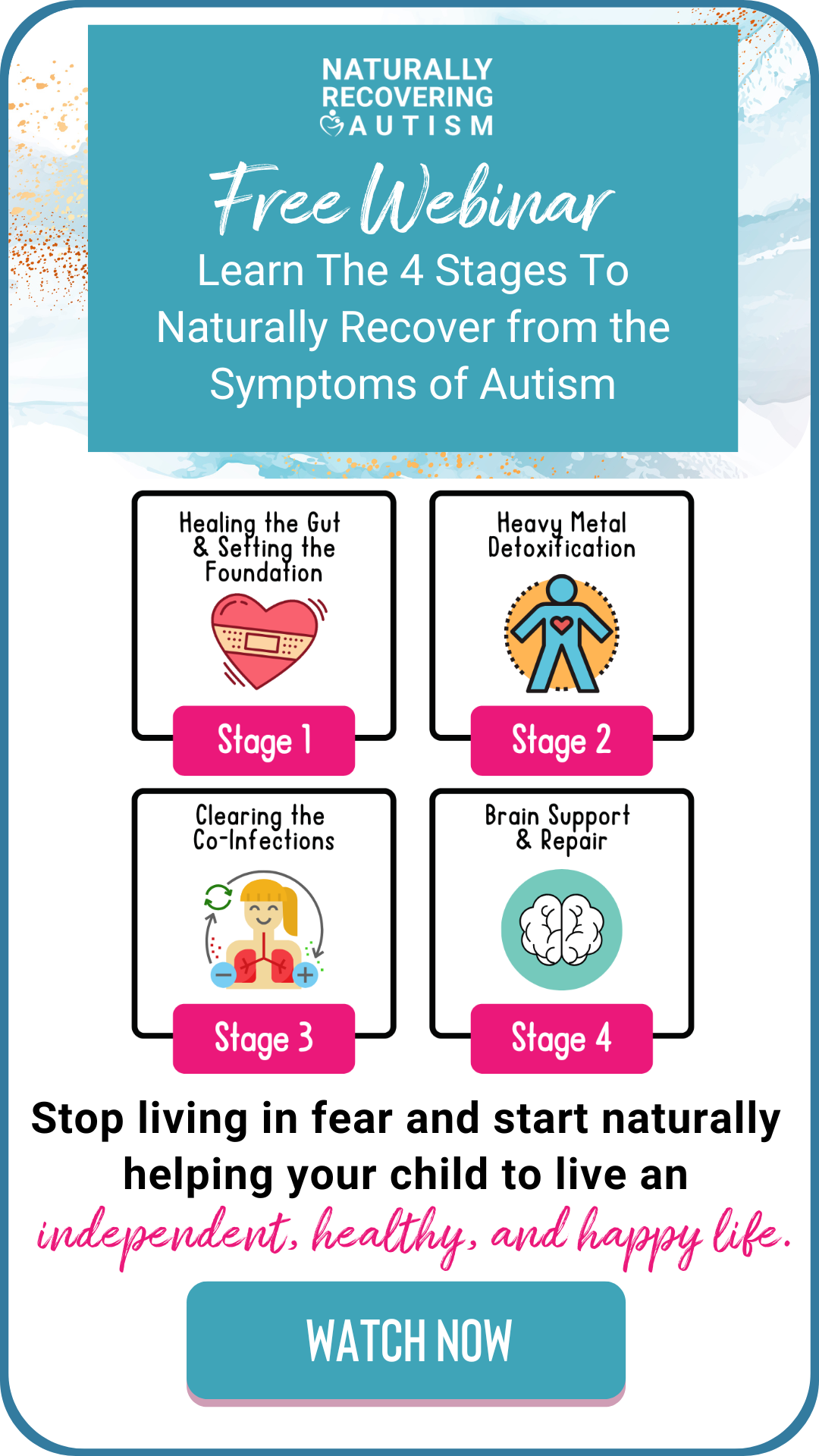
Instead of feeling like you need to figure everything out on your own, I organized the information into an A-to-Z roadmap with four stages.
Stage 1: Gut Health and Nutrition
We begin by understanding your child’s nutritional needs, digestion, and any food sensitivities or gastrointestinal concerns.
As we’ve discussed today, gut health and immune health are closely connected.
Stage 2: Environmental Exposures and Detoxification
Next, we explore environmental factors that may be affecting overall health, including concerns about heavy metals and other exposures.
This stage emphasizes understanding potential exposures and making informed decisions about appropriate evaluation and care. Suspected toxic exposures should be assessed by qualified professionals, along with proper detoxification.
Stage 3: Co-Infections and Other Health Challenges
This stage focuses on understanding additional health concerns that may need attention, including infections or other medical conditions that could contribute to discomfort or changes in well-being.
The goal is to recognize when symptoms warrant appropriate evaluation rather than assuming that every child has an underlying infection.
Stage 4: Brain Health and Development
Finally, we look at ways to support brain health, sleep, learning, attention, communication, emotional regulation, and overall development.
These four stages give parents an organized framework for understanding their child’s health and knowing what questions to ask.
Not every child needs the same interventions, but there are certain principles that support overall health. They are the educational framework I use to help families explore individual health needs done naturally.
And the beauty of having a roadmap is that you can move through it step by step, at a pace that works for your family.
You don’t have to do everything at once.
Getting Ready for Holiday Foods
With holidays approaching, nutrition is especially timely.
There will be family dinners, school parties, desserts, and foods your child may not normally eat.
For children with food allergies, celiac disease, or other medically identified food sensitivities, planning ahead can make a meaningful difference.
And even when your child doesn’t have specific dietary restrictions, maintaining familiar routines and offering balanced meals can help the holidays feel more manageable.
That’s why I’ve also created my Healthier Holiday Eating Strategies guide.
It’s designed to help parents think ahead about holiday meals, food substitutions, and ways to make the season easier while still allowing their children to enjoy special celebrations.
You can find information about this guide, my Autism Recovery Reset training, and my membership program in the show notes for today’s episode at NaturallyRecoveringAutism.com/257.
A Simple Fall Recipe: Gluten-Free Apple Cinnamon Muffins
With fall in full swing, I wanted to share a simple recipe that can work well for breakfast, school snacks, or a healthier homemade treat.
These muffins are naturally sweetened with applesauce and contain no added refined sugar.
Ingredients
- 1½ cups coconut flour
- 2 eggs
- ¾ cup unsweetened applesauce
- ¼ cup melted coconut oil
- 1 teaspoon cinnamon
- 1 teaspoon gluten-free and aluminum-free baking powder
- ½ teaspoon baking soda
- 1 teaspoon vanilla extract
- ¼ cup unsweetened dairy-free milk such as coconut or almond milk
- Optional: ½ cup finely diced apple
Instructions
- Preheat your oven to 350°F.
- Line or lightly grease a muffin pan.
- In one bowl, combine the coconut flour, cinnamon, baking powder, and baking soda.
- In another bowl, whisk together the eggs, applesauce, oil, vanilla, and coconut milk.
- Combine the wet and dry ingredients and gently fold in the diced apple, if using.
- Divide the batter among approximately 10–12 muffin cups.
- Bake for approximately 18–22 minutes, or until a toothpick inserted into the center comes out clean.
- Allow the muffins to cool before serving.
These muffins are a convenient alternative to many packaged snacks.
You can also freeze extras and have them ready for busy mornings.
For children with food allergies, always verify ingredient labels and choose appropriate substitutions. Gluten-free eating is essential for children with celiac disease and autism.
Small Changes Can Make a Meaningful Difference
One thing I want parents to understand is that supporting your child’s health doesn’t have to mean changing everything at once.
Sometimes it’s the consistent, everyday habits that make the biggest difference.
Providing nourishing foods, supporting healthy digestion, encouraging adequate sleep, maintaining hydration, and creating opportunities for movement are all important foundations.
And as we move toward the holidays, these habits become especially valuable.
Remember, every child is different.
Pay attention to what works for your child, and make changes at a pace that is manageable for your family.
You don’t have to do everything perfectly.
You simply want to continue building a strong foundation for your child’s health and well-being.
Your Next Step: A Clear Roadmap and Ongoing Support
If you’ve been listening to my podcast or reading my articles for a while, you may have noticed that there are many different pieces to consider when supporting your child’s health.
And while individual tips can be helpful, having a clear plan can make the process feel so much more manageable.
That’s why I invite you to learn about my Autism Recovery Reset, where I walk parents through the four stages of my holistic A-Z roadmap and explain how the different pieces fit together.
I also share how my Naturally Recovering Autism Membership Program provides ongoing education, resources, and support to help you work through the roadmap step by step and from A-Z so nothing important gets missed. We want the best results possible.
Whether you’re listening to this episode when it’s first released or discovering it sometime in the future, you can find the latest information about the training, membership program, and available resources in today’s show notes.
Simply visit NaturallyRecoveringAutism.com/257.
My goal is to help you feel more informed, confident, and supported as you make decisions about your child’s health.
I hope you’ll join me, and I look forward to helping you take your next steps.
Free Online Event
The 4 Stage
Autism Recovery Reset
How You, as a Parent, Can Take Action Now
With an A-Z, Step-By-Step Roadmap!
1-HOUR LIVE EVENT + Q&A
THURSDAY, OCTOBER 22ND, AT 5PM PT | 8PM ET
If the time doesn't work for you, sign up anyway, and I'll send you the replay.
After watching my own son transform from struggling with severe symptoms to living a healthy, independent life, I spent years researching, learning, and developing the approach I now teach to families around the world.
In this free live online event, I will teach you what most doctors don’t even know is absolutely necessary to achieve your child’s optimal outcome to ensure their healthiest, happiest, and most fulfilling life.
I’ll walk you through the four stages I believe are essential to supporting your child’s health:
- Healing the Gut
- Natural Heavy Metal Detoxification
- Clearing Co-Infections
- Brain Support & Repair
I’ll share what I discovered through my own journey, why I believe the order matters, and how I approach the underlying health challenges that can affect children with autism.
Stop guessing and start understanding the A-Z roadmap I developed through years of research and personal experience.
This is for informational purposes only and is not meant to diagnose or treat. Every child’s level of recovery is different. No two people are the same. It is never implied that all children will have the same outcome. Results are all based on individual biology and the work that is done. This process takes time and various steps, effort and resources need to be weighed. Our programs are intended to help you become more knowledgeable and guide you to help bring your child a better quality of life, whatever that may be. We want to help by giving great content, direction and strategies that move you forward. Nothing on this page or any of our websites is a promise or guarantee of results or future outcomes. The results on this page and any of our websites are not typical or promised. In fact, there will be people who purchase this and other programs and never put the work into implementing the strategies taught and therefore will achieve little to no results. Our more detailed earnings disclaimer, privacy policy, and terms and conditions for this program and website can be accessed via the links below. We hold ourselves (and you) to a high standard of integrity. We are cheering you on every step of the way.